
What is a Crittall window? History, design and modern applications
- September 23, 2026
- Crittall & Aluminium Window Guides
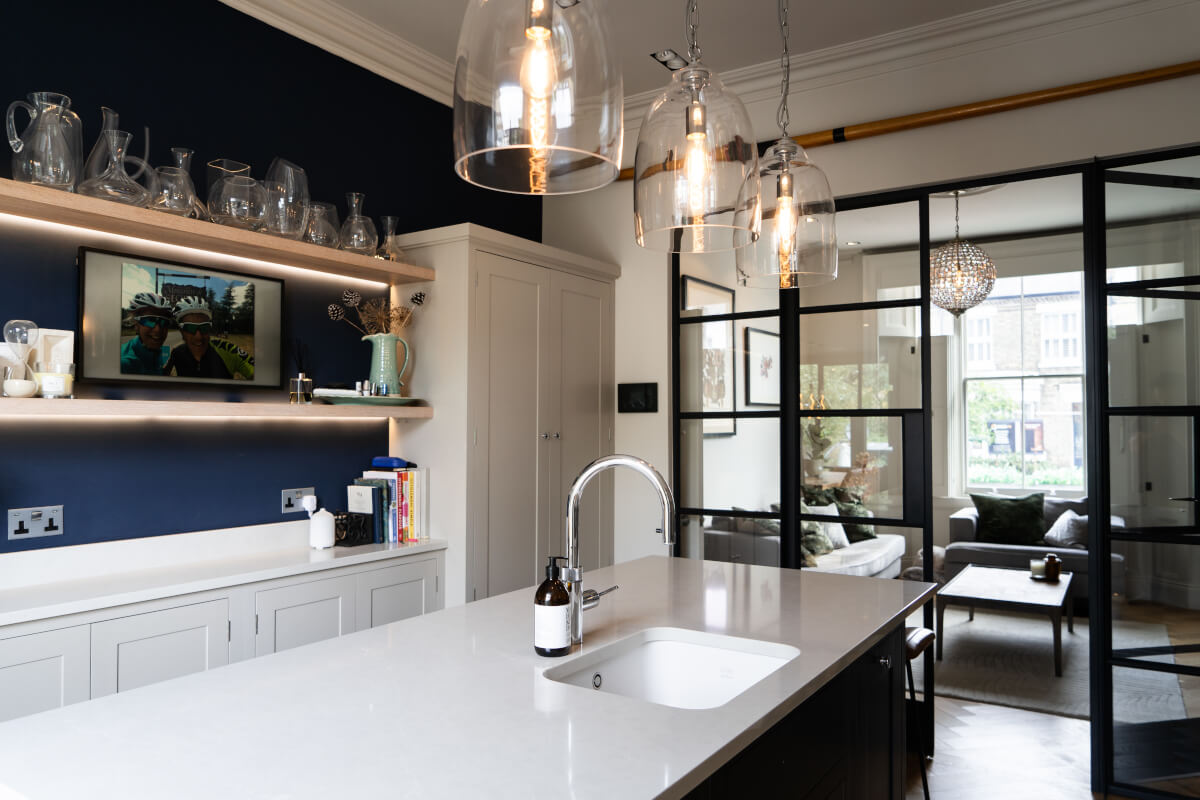
Crittall windows are steel-framed windows characterised by slim frames, large panes of glass and a distinctive grid-like design. Their industrial appearance is instantly recognisable, but the term Crittall refers to more than a style of window.
Crittall is a registered trademark belonging to Crittall Windows Limited, the British manufacturer behind the original steel-framed windows. The company has a long historical association with architectural design, with its products appearing in notable buildings across the United Kingdom and internationally.
For homeowners, architects and developers considering steel windows, understanding the history and key features of genuine Crittall products can help when choosing the right solution.
What is a Crittall window?
A Crittall window is a steel-framed window manufactured by Crittall Windows Limited. It is recognised for its slim sightlines, narrow glazing bars and strong geometric appearance, giving it the distinctive character associated with the Crittall aesthetic.
The development of steel windows allowed architects to create larger areas of glazing while maintaining relatively slender frames. This combination of strength and minimal framing became an important feature of modern architecture.
Today, Crittall products are available for external windows, doors and internal screens, with options including double glazing and thermally enhanced systems.
The history behind Crittall windows
The origins of the company date back to 1849, when Francis Berrington Crittall bought an ironmongery business on Bank Street in Braintree, Essex. In 1884, his son Francis Henry Crittall took over the business and began manufacturing steel windows.
A major step came in 1909 with the patented Fenestra joint. The innovation offered greater strength while allowing slimmer glazing bars and larger expanses of glass, helping to bring more natural light into buildings and advance steel window manufacture.
Crittall continued expanding its production throughout the early 20th century. In 1912, the company introduced a universal range of steel profiles, while a new factory opened in Witham in 1919 to support growing demand and government housing schemes.
The First and Second World Wars also changed the company’s production. Crittall factories shifted production to support the war effort, with women workers making munitions and crucial war supplies including Bailey bridges, wing spars for planes and windows for military buildings.
From industrial windows to an architectural icon
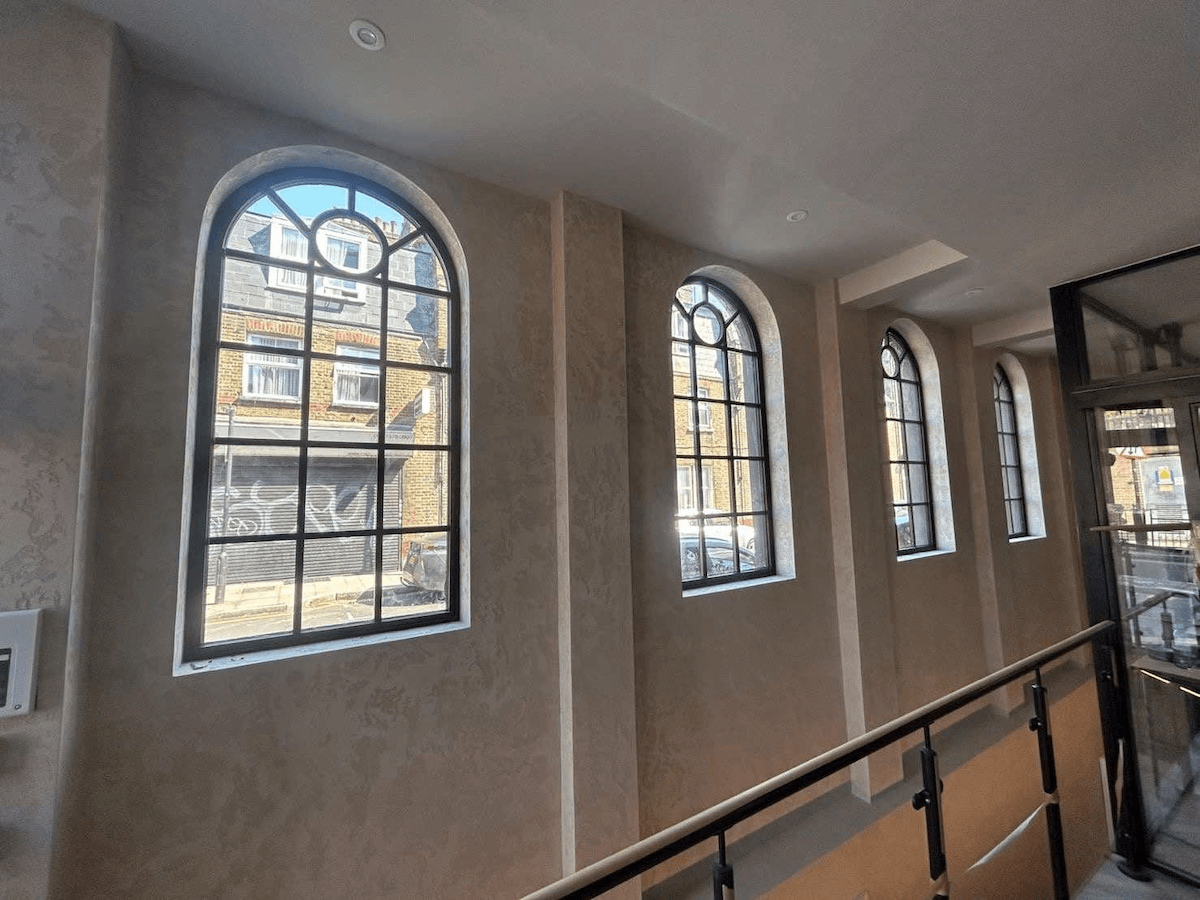
The distinctive Crittall aesthetic became closely associated with the modern architectural movement. Its clean lines and geometric glazing suited the Art Deco and modernist movements that became influential during the early 20th century.
One notable example is Silver End in Essex, a model village developed by Crittall in the 1920s. Designed in the International Modern style, its houses demonstrate how steel windows became part of a wider architectural vision rather than simply a functional building component. Several buildings in Silver End are now included on the National Heritage List for England.
Crittall windows also developed a long historical association with significant buildings. Historic examples can be found in projects including the Houses of Parliament and Tower of London, while Crittall’s own historical records also reference the RMS Titanic.
This heritage is one reason the term Crittall continues to carry weight within architecture and conservation.
What are the key features of Crittall windows?
The defining characteristics of Crittall windows have remained remarkably consistent, even as the technology behind them has developed.
Slim sightlines
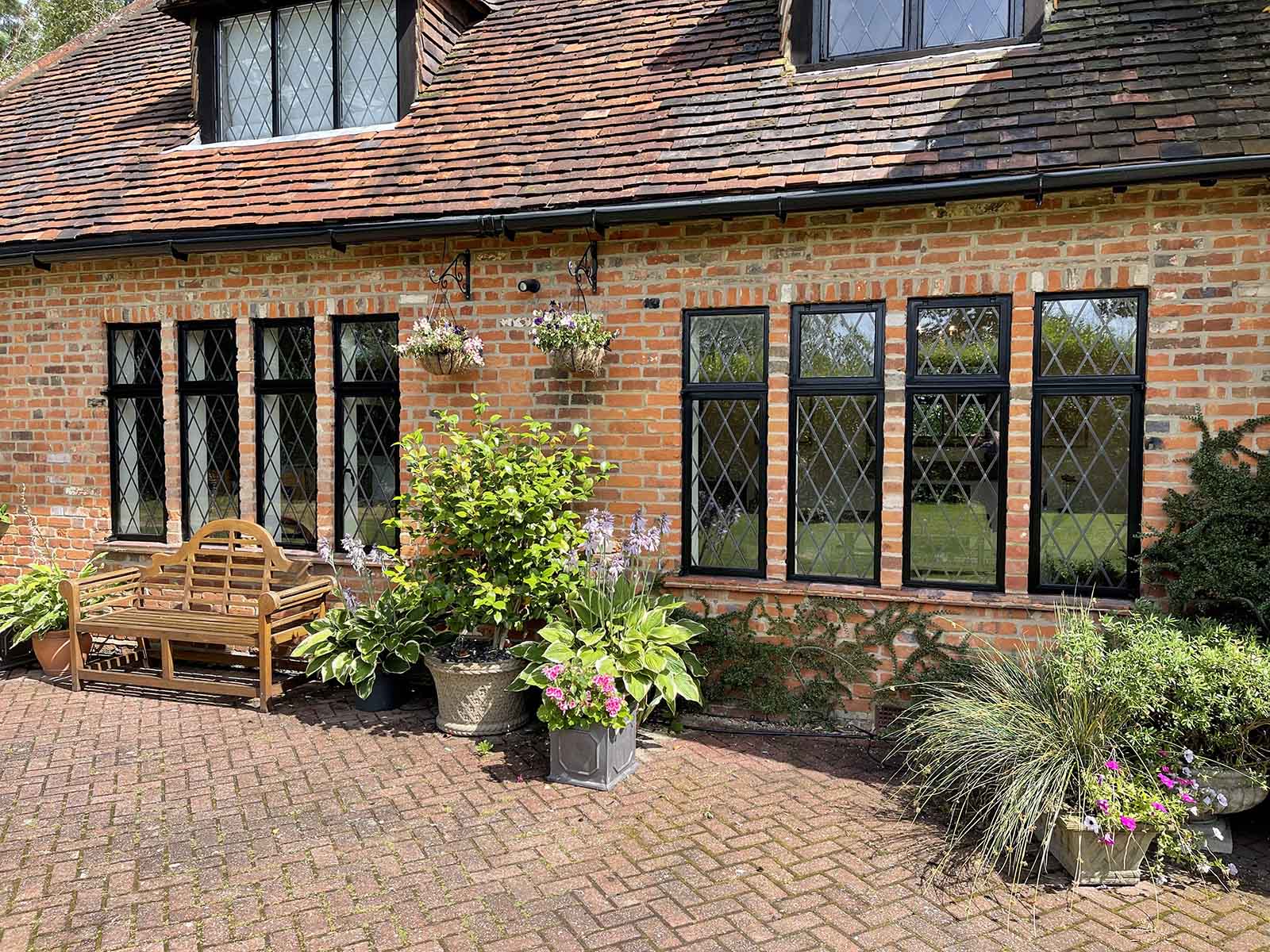
Steel’s strength allows Crittall windows to use narrow profiles without compromising the structure of the frame. These slim sightlines keep the frames visually minimal and allow the glazing to take centre stage.
Strong geometric design
The regular arrangement of glazing bars gives Crittall windows their instantly recognisable appearance. Depending on the configuration, the same aesthetic can work in period properties, contemporary homes and commercial spaces.
Modern glazing options
Modern Crittall windows are not limited to single glazing. Contemporary systems can incorporate double glazing, with thermally enhanced options available for projects where energy performance is an important consideration.
Durable steel frames
Steel provides a strong and durable material for window frames. Modern manufacturing and finishing processes can also provide protection against corrosion, helping Crittall products meet the demands of contemporary applications.
Where are Crittall windows used today?
Originally developed for industrial and commercial applications, Crittall windows have evolved into a recognised architectural design feature. Today, they can be specified across residential, commercial and heritage projects.
Residential extensions
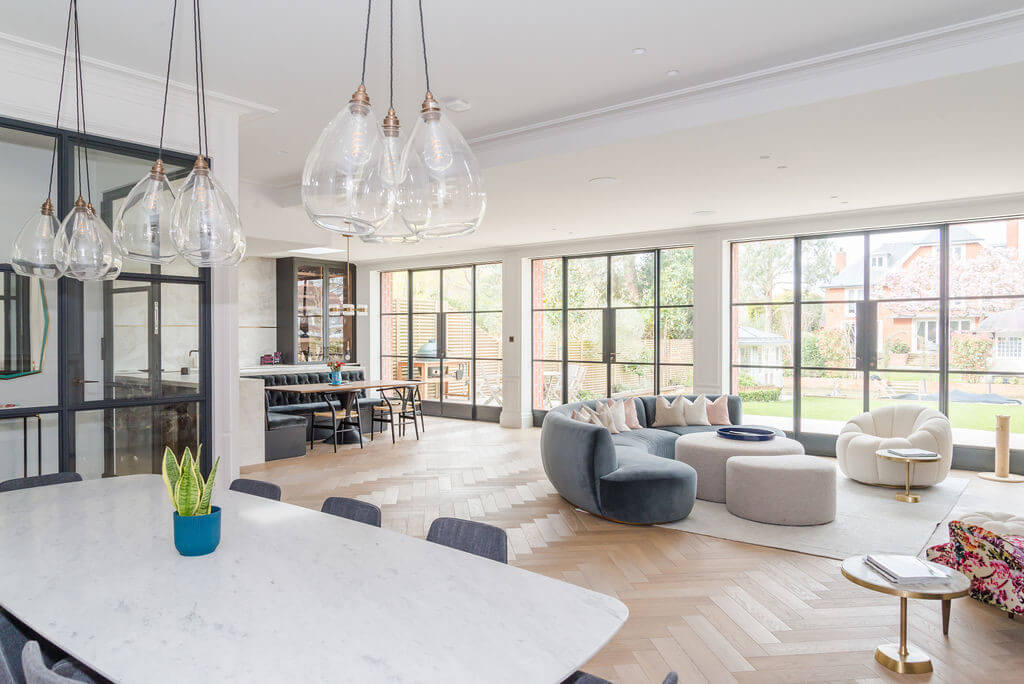
In homes, Crittall windows are particularly popular for extensions where homeowners want to introduce more natural light without losing the character of a period property.
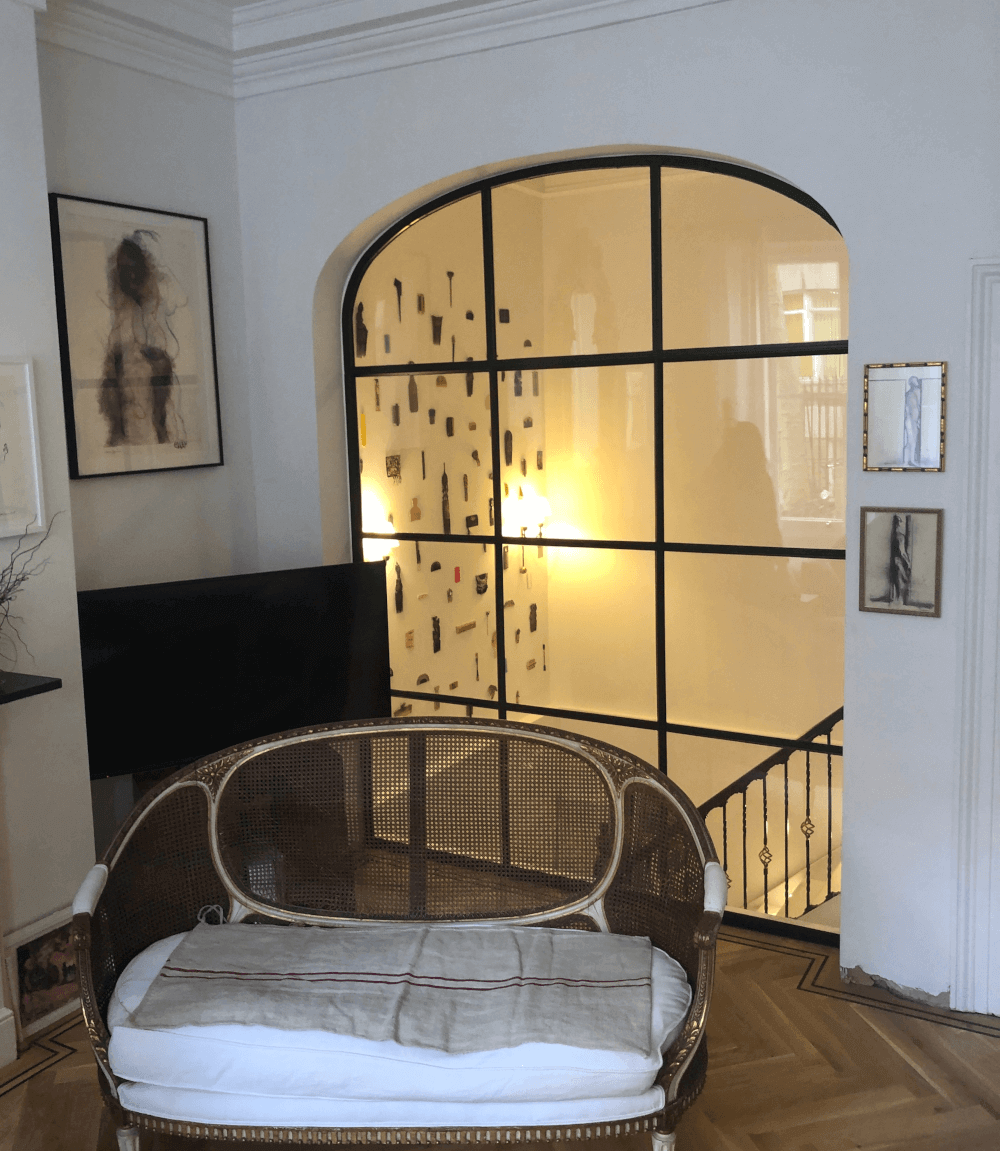
Large glazed openings, internal screens and even a wraparound extension can all incorporate the Crittall aesthetic. Slim steel frames can create a strong connection between indoor and outdoor spaces while maintaining a defined architectural structure.
Commercial interiors
Internal Crittall screens are widely suited to commercial interiors where spaces need to be divided without creating solid visual barriers.
Offices, hospitality spaces and other commercial environments can use glazed steel screens to separate rooms while allowing light to travel through the building. This makes them useful where openness and privacy need to be balanced.
Genuine Crittall or Crittall aesthetic?
The popularity of the Crittall look means there are now many steel windows and aluminium windows designed to replicate its appearance. However, there is an important distinction between a Crittall product and a window described simply as being inspired by the Crittall aesthetic.
Crittall is a registered trademark, meaning the name refers specifically to windows manufactured by Crittall Windows Limited. For projects where authenticity, heritage or specification requirements are important, knowing this distinction can be significant.
At Lightfoot Windows, we have supplied and installed genuine Crittall products since 1935 and are an official Crittall Specialist Partner. Our experience covers everything from individual window installations to larger residential, commercial and heritage projects across the United Kingdom.
Choosing Crittall windows for your project
The right Crittall solution will depend on the building, opening sizes, glazing requirements and overall design. Modern systems can provide the slim profiles associated with traditional steel windows while incorporating contemporary features such as double glazing and thermally enhanced systems.
Our Crittall range includes systems such as W20 TE, alongside bespoke solutions for projects requiring a specific configuration or finish.
If you’re planning a new build or new window installation, our Crittall specialists can help you choose the right system, understand the available options and create a solution suited to your property.
Contact Lightfoot Windows today to discuss your requirements and speak to our experienced team about the right Crittall solution for your property.